The real problem with the last mile
The last mile is not simply the final kilometre of a shipment. It is the stretch that runs from the hub or distribution centre to the recipient's door, and it is, by far, the most expensive, the slowest and the one that concentrates the most incidents. In Madrid, that inherent complexity is compounded by city-centre congestion, low-emission zones, the shortage of parking and the long distances between delivery points in the outlying areas.
For a company that moves tens or hundreds of shipments a day in the capital, every minute of inefficiency in this stretch is multiplied. A courier who loses 10 minutes due to an incorrect address or to not finding the recipient can lose up to two deliveries in a working day. Multiplied across an entire fleet, the impact is enormous.
Four levers to cut costs without sacrificing speed
There is no single solution, but there is a set of levers that, well combined, make it possible to reduce the cost of the last mile significantly:
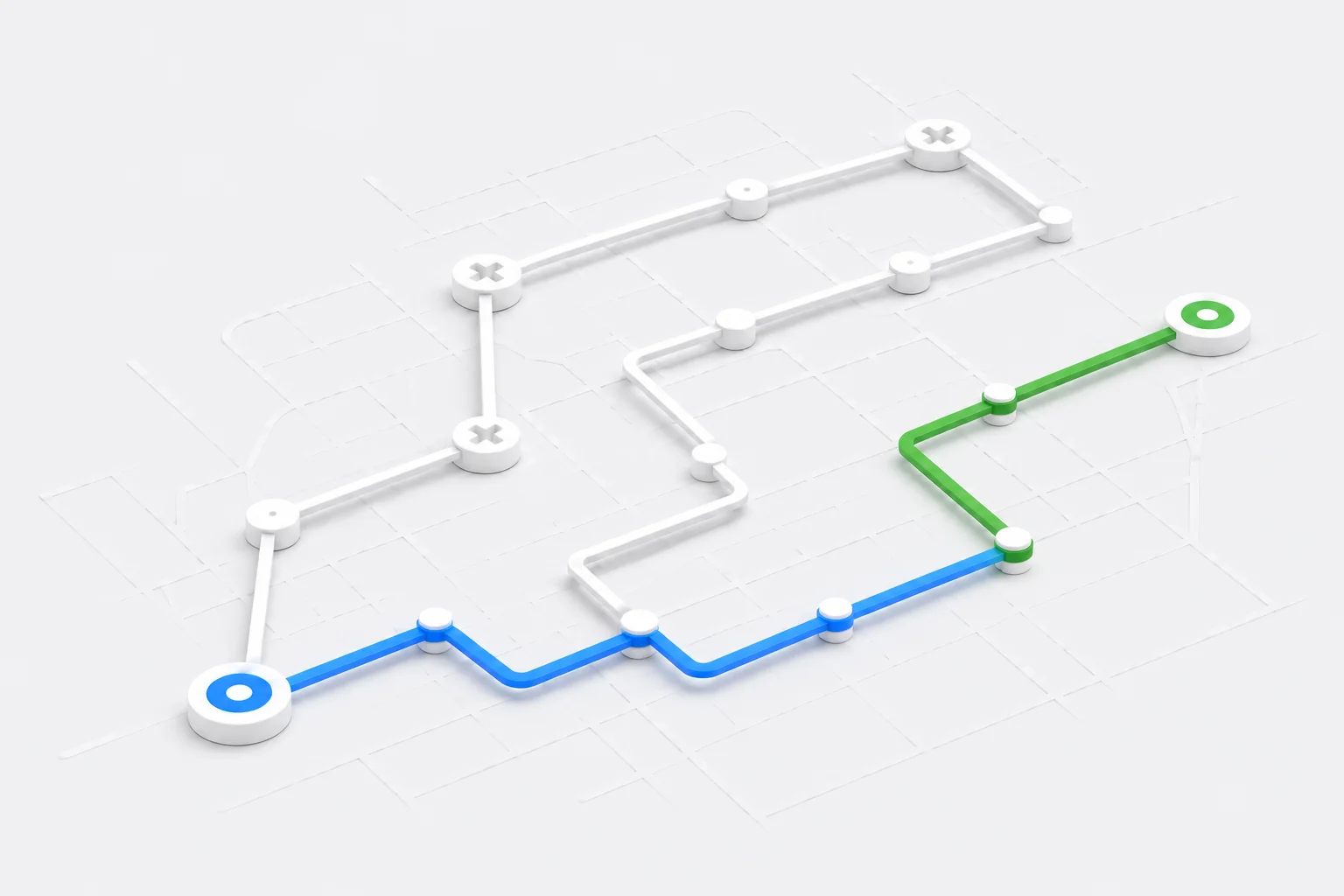
- Dynamic route optimisation. Using real-time routing software, which factors in traffic conditions, access restrictions and the optimal order of stops, can reduce the distance travelled by between 15 % and 20 % compared with manually planned routes.
- Proactive management of absences. The biggest cost generator in the last mile is the failed delivery: when the recipient is not in. Confirming availability by SMS or WhatsApp before delivery and offering online rescheduling reduces failed attempts to less than 5 %.
- Smart zoning. Distributing couriers across stable zones instead of assigning random routes each day means each driver gets to know their area thoroughly: the access points, the concierges' schedules, the local restrictions.
- Diversified fleet. Not every delivery requires a van. In the centre of Madrid, a motorbike or a cargo bike can be three times faster at peak hours. A mixed fleet matches the vehicle to the environment and to the size of the package.
The importance of local knowledge
At Sinergia we have been operating in Madrid and its surroundings for more than 37 years. That time spent on the ground generates knowledge that cannot be downloaded into any app: we know which city-centre streets are closed during festivals, which industrial estates have restricted access in the morning, and which residential areas have their residents available within specific time slots. That knowledge translates directly into fewer incidents and more first-attempt deliveries.
How the LEZ affects logistics operations
Madrid's central Low Emission Zone has changed the rules of the game for urban distribution. Vehicles with no sticker or with a B sticker cannot circulate on certain roads at peak times, which forces a rethink of routes and vehicles. Our fleet is adapted to these regulations: the vehicles serving the LEZ carry the corresponding environmental stickers, and we continue to add electric and low-emission vehicles to guarantee operations over the long term.
The impact on end-customer satisfaction
Cutting costs in the last mile does not have to mean cutting quality. On the contrary: when routes are well optimised, couriers arrive within the promised window, the first-attempt success rate is high and the customer receives accurate notifications, satisfaction levels rise consistently. For companies that outsource their logistics, this impact translates directly into their online reviews and their repeat-purchase rate.